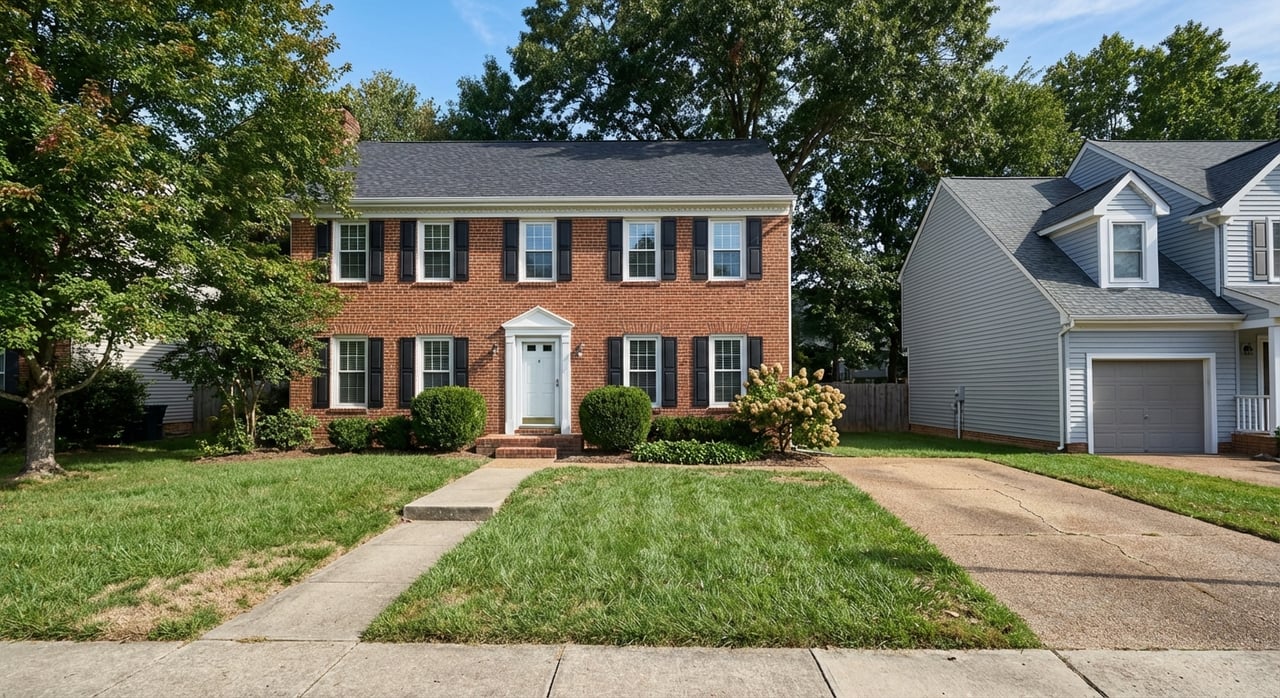
Strolling through Princeton, you see it all: stately brick facades, storybook gables, wraparound porches and sleek new builds tucked behind mature trees. If you have ever wondered what each style is called, how it lives day to day and where you might find it, you are in the right place. This guide breaks down the most common home styles you will see in Princeton, what to look for during a viewing and how local preservation rules may shape your plans. By the end, you will know how to spot each style and decide which one fits your lifestyle. Let’s dive in.
Why Princeton looks the way it does
Princeton’s housing tells a long story. Downtown and near campus you will find many 18th and 19th century homes that help define the town’s character. The municipality supports this heritage through the Office of Historic Preservation, which oversees guidelines and reviews exterior changes in designated districts. If you are considering a home in these areas, it is worth a quick look at the town’s Office of Historic Preservation resources.
If you want a deeper sense of the timeline, the Historical Society of Princeton shares local context, archives and walking tour material that connect the dots between styles and eras. You can also see an iconic Georgian and Federal-era example at the Morven Museum & Garden, a National Historic Landmark that helps illustrate early Princeton architecture.
Colonial to Colonial Revival
Visual cues
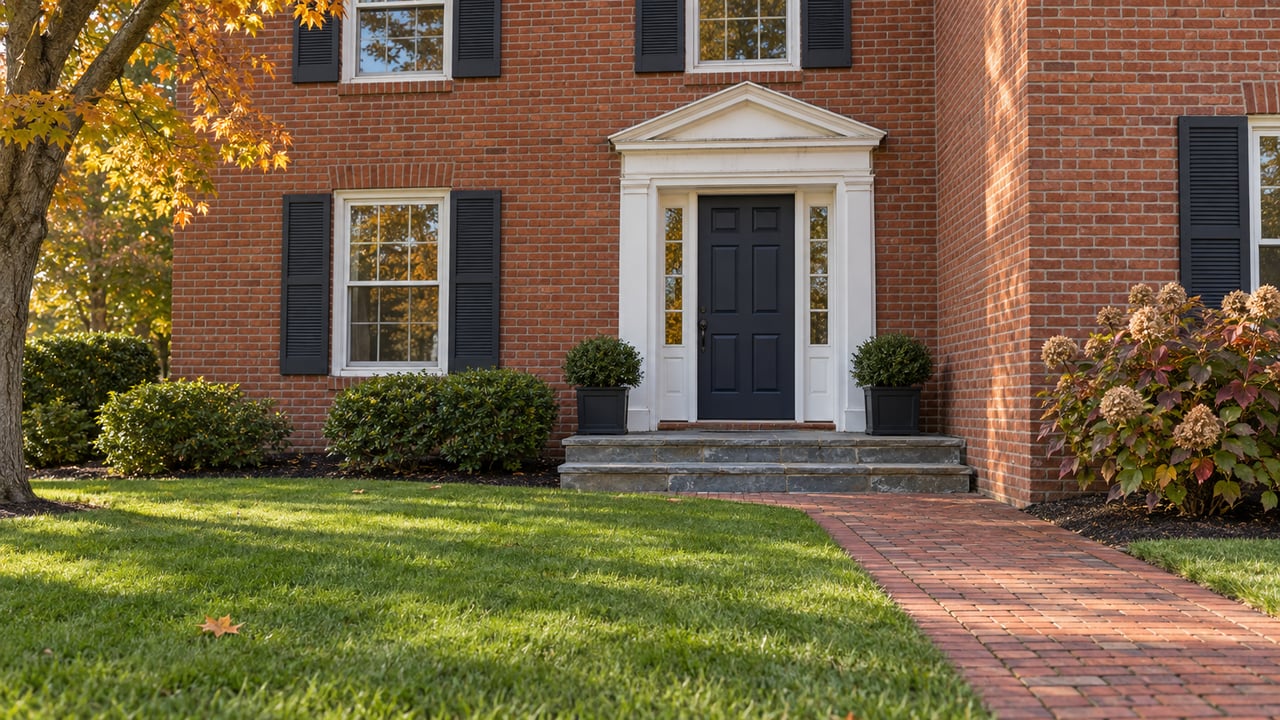
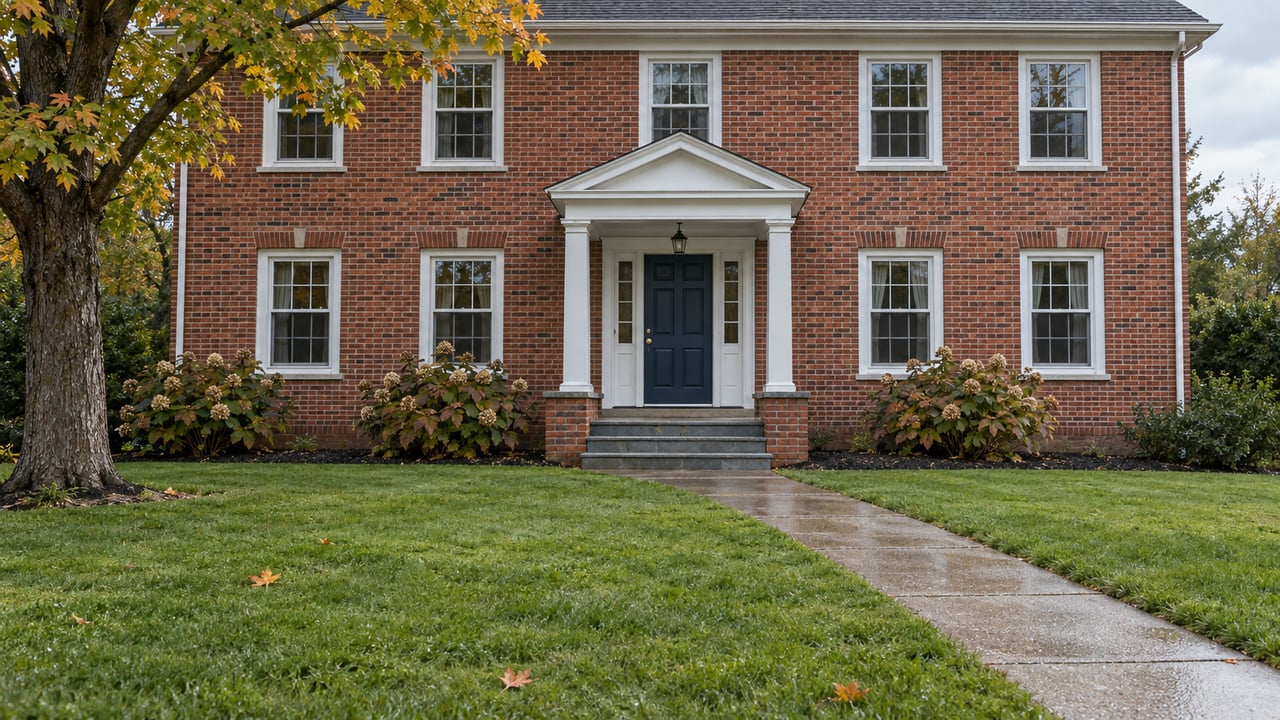
Colonial, Georgian and Federal homes are known for balance and simplicity. Look for a symmetrical front, a centered entrance, multi-pane windows and brick or clapboard siding. Colonial Revival homes, popular in the early 20th century, reinterpreted these forms at a slightly larger scale. For a clear style refresher, the Historic New England style guide is a helpful reference.
How it lives
Inside, you often get a center hall with formal living and dining at the front, kitchen toward the back and bedrooms upstairs. Many homes have preserved trim, mantels and staircases. Colonial Revival versions tend to have larger kitchens and family rooms added over time, blending historic charm with modern function.
Where you see it
You will see many examples in central Princeton and in historic districts around Nassau Street and near the university. For a textbook local landmark, visit Morven’s history page to see the look and proportions up close.
Buyer checklist
- Confirm whether the property sits in a local historic district, since exterior changes may require review. Start at Princeton’s Office of Historic Preservation.
- Check the condition of original windows and trim. Historic windows are often repairable and can perform well with proper maintenance.
- Review systems such as electrical, plumbing and HVAC. Many owners upgrade these over time, but older homes can still need selective updates.
- If you are planning energy or window work on a designated home, skim the town’s Guidelines for Sustainable Historic Structures before you draft plans.
Cape Cod
Visual cues
Capes are compact, cottage-like homes with steep roofs, centered doors and dormers that add headroom. They read low and cozy from the street. For a quick primer, see this overview of Cape Cod architecture.
How it lives
Plans are efficient. Public rooms sit on the main level, with bedrooms either downstairs or tucked under the roof in dormers. Many Princeton-area Capes have rear additions that add a family room, office or extra bedroom.
Where you see it
You will find Cape-style homes and Cape-influenced remodels across Princeton and nearby neighborhoods. Local architects continue to create traditional work with Cape cues.
Buyer checklist
- Expect smaller closets and kitchens in more original examples. Many have already been expanded.
- Check attic and dormer headroom, insulation and roof condition.
- Verify any past additions were permitted and integrated well into the original plan.
Townhomes and in-town condos
Visual cues
Attached townhomes and downtown flats emphasize vertical living with multiple levels and limited private yard space. Architecture often mirrors Princeton’s historic materials and proportions to fit into the streetscape.
How it lives
You typically enter at grade or from a covered garage, with the main living floor one level up and bedrooms above. Newer townhomes tend to feature open kitchens and modern finishes. In exchange for convenience and walkability, you accept HOA rules and smaller outdoor spaces.
Where you see it
For a luxury, in-town example, explore writeups on the Residences at Palmer Square. These homes were designed to match the downtown character and offer services and private parking.
Buyer checklist
- Review HOA financials, reserve studies and rules, including pet policies and parking allocations.
- Ask about recent building maintenance, such as roofs and facade work.
- Compare monthly fees and services to understand the total cost of ownership.
Victorian, Queen Anne, Shingle and Tudor Revival
Visual cues
These character-rich homes lean into asymmetry and detail. Victorian and Queen Anne styles mix turned posts, patterned shingles and wraparound porches. Shingle style favors broad, continuous shingle cladding and complex rooflines. Tudor Revival shows steep gables, half-timbering and tall chimneys. The Historic New England guide is a helpful reference for these cues.
How it lives
Interiors often feature higher ceilings, nooks, alcoves and built-ins. Floor plans can feel more segmented than modern open plans. Renovations that preserve original craftsmanship can be rewarding, but they call for careful planning and budgeting.
Where you see it
Princeton’s Jugtown and other older neighborhoods include clusters of these styles, as summarized in the Jugtown Historic District overview. You will also find Tudor-influenced homes on established residential streets.
Buyer checklist
- Expect higher exterior maintenance due to intricate trim and complex roofs.
- Test for lead-based paint in pre-1978 homes and use certified contractors for any paint-disturbing work. Review the EPA’s Renovation, Repair and Painting program.
- Have a specialist evaluate electrical, plumbing and structural elements if the home has seen limited system updates.
Mid-century and ranch homes
Visual cues
Mid-century and ranch homes emphasize single-level living, simple facades and larger rear yards. You will find more of these in outlying sections rather than right downtown.
How it lives
Single-floor living can be a draw for accessibility. Many offer good bones for thoughtful updates like new kitchens, baths and energy improvements.
Buyer checklist
- Inspect original plumbing and electrical for age and capacity.
- Evaluate the roof, insulation and windows for energy upgrades that can improve comfort.
- Consider floor plan rework if you prefer a more open main living area.
New construction and custom luxury builds
Visual cues
Newer homes in and around Princeton often blend traditional exteriors with large, light-filled interiors. You will see open kitchens, flexible rooms for work or guests, generous primary suites and indoor-outdoor connections.
How it lives
You get modern systems, energy performance and layout flexibility. Many builds include finished lower levels for media, fitness or play rooms, plus multi-car garages and smart-home features.
Buyer checklist
- Review builder warranties and product specifications.
- Confirm permit history and final approvals, especially on recent custom work.
- Compare HOA services and fees if the home is part of a planned community.
What to know before you renovate or buy
Historic district rules and approvals
If you are eyeing a home in a designated historic district, plan for an extra step on exterior changes. Princeton’s Office of Historic Preservation outlines the process, district maps and applications. For quick homeowner-friendly guidance on repairs and energy upgrades for historic structures, review the town’s sustainability guidelines.
Health and safety in older homes
Older homes can include materials and systems that need special handling. For pre-1978 houses, learn about safe renovation practices through the EPA’s RRP program. Beyond a standard inspection, it can help to bring in specialists for electrical, plumbing, structure or pests if the home shows signs of age.
Financing renovations
If you love a home that needs work, ask your lender about renovation financing. HUD’s FHA 203(k) Rehabilitation Mortgage allows you to bundle purchase and repairs in one loan, subject to eligibility and scope. A streamlined version may fit smaller, non-structural projects, while a standard 203(k) supports larger rehabs.
Insurance and resale planning
Unique construction, older systems or historic designation can influence insurance options and premiums. It is smart to speak with your insurer early, especially if you plan upgrades that affect roofs, electrical or exterior materials. Well-planned improvements that respect the original architecture can also support long-term resale appeal.
Find your fit in Princeton
Whether you are drawn to a dignified Colonial near Nassau Street, a character-filled Victorian in an older district, a low-maintenance townhome steps from shops or a new build with modern systems, Princeton offers a style for every stage of life. If you want help matching your wish list to the right neighborhood and home type, reach out to Rebecca Matyash for local guidance tailored to you.
FAQs
What defines a Colonial vs. Colonial Revival in Princeton?
- Colonial and Federal examples are original period homes with symmetrical facades and classic details, while Colonial Revival is a later reinterpretation, often larger and built in the early 20th century; see the Historic New England style guide for visuals.
How do I check if a Princeton home is in a historic district?
- Review district maps and guidance on the municipality’s Office of Historic Preservation page or call town staff for confirmation.
What should I look for when buying a Victorian or Tudor in Princeton?
- Inspect ornate exterior elements and complex roofs, confirm modernization of electrical and plumbing, and for pre-1978 homes follow the EPA’s RRP program guidance on lead-safe work.
What is living in a Palmer Square townhome like?
- Expect luxury finishes, on-site services and walkability to shops and dining in a design that mirrors downtown’s historic look; see project writeups on the Residences at Palmer Square.
Are Cape Cod homes a good fit for first-time buyers?
- Many Capes offer efficient footprints and room to expand, but you should budget for storage solutions and potential kitchen or dormer updates.
How can I finance renovations on an older Princeton home?
- Ask your lender about HUD’s FHA 203(k), which can combine purchase and renovation costs in one mortgage, subject to eligibility and project scope.