If you want a town where you can grab coffee, walk a trail, browse a museum, and still handle everyday errands without driving all over the place, Princeton stands out. For many buyers, that mix is hard to find because some towns feel convenient but lack character, while others feel charming but less practical. Princeton offers a compact, lived-in rhythm that blends dining, parks, culture, and regional access in one place. Let’s dive in.
Princeton feels connected and compact
One of the first things people notice about Princeton is how much daily life happens close together. Princeton University describes the town as a community of about 30,000 residents, with tree-lined neighborhoods and regional connections that keep both New York City and Philadelphia within relatively easy reach.
That compact feel shows up clearly around Nassau Street, where the university meets historic shops and restaurants. Instead of a spread-out suburban layout, Princeton reads more like a walkable college town with a strong town center. If you value being able to move between errands, dining, and cultural stops without feeling disconnected, that layout matters.
Getting around Princeton day to day
Daily mobility is part of what makes Princeton practical. The municipality says the Princeton Loop is a free bus serving housing areas, downtown Princeton, and the Princeton Shopping Center. Tiger Transit is also free and open to the public.
For regional travel, Princeton Station’s Dinky shuttle connects riders to Princeton Junction for NJ TRANSIT service. That makes Princeton appealing if you want a town with local convenience and broader rail access. It is not just about commuting, but also about having more than one way to move through your week.
Why local transit matters
When a town offers built-in transportation options, everyday life can feel easier. You may be able to reach shops, downtown destinations, and transit links without relying on a car for every stop.
In Princeton, that supports a more flexible routine. Whether you are heading to downtown, meeting friends, or connecting to the wider region, the transportation network adds to the town’s usability.
Dining in Princeton offers variety
Princeton’s dining scene is broader than many people expect from a town its size. Princeton University notes a mix that includes noodle houses, sandwich shops, gourmet ice cream, and farm-to-table dining, with cuisines spanning Asian, Middle Eastern, Mediterranean, Latin American, and more.
That range makes everyday dining feel less repetitive. You are not limited to one style of restaurant district or a single kind of outing. Whether you want a quick lunch, a casual dinner, or a more polished meal, Princeton gives you options within a relatively small footprint.
Nassau Street and Palmer Square
For many residents and visitors, Nassau Street and Palmer Square sit at the center of Princeton’s dining and shopping experience. Palmer Square describes itself as an outdoor destination with boutiques, cafes, specialty shops, and regular events around the Green.
This area tends to deliver the classic downtown Princeton feel. It is the kind of place where you can combine a meal, a walk, and some browsing in one trip. That mix helps explain why the center of town feels active beyond the university calendar.
Princeton Shopping Center for daily convenience
If downtown offers charm and energy, Princeton Shopping Center adds a more practical everyday side. It is described as a long-running community gathering place with 40 shops and restaurants, anchored by McCaffrey’s Market.
EDENS also highlights its open-air courtyard, year-round event use, and mix of retail and food options. For buyers thinking about daily routines, this matters because it gives Princeton a neighborhood-service hub where errands, coffee, and casual meals sit close together.
Parks and trails shape Princeton life
Outdoor access is a major part of daily living in Princeton. The municipality says more than 28% of Princeton’s land area is designated as open space, including woodlands, meadows, parks, playgrounds, and active recreation facilities.
That is a meaningful share of land for a compact town. It helps Princeton feel greener and more balanced in everyday life. If you want a place where nature is part of your routine rather than a special trip, Princeton has depth here.
Nature preserves and local parks
Princeton’s park system is varied, which gives you different ways to spend time outdoors. The municipality identifies Herrontown Woods, Institute Woods, Marquand Park, Community Park North, and Billy Johnson Mountain Lakes Preserve as part of this network.
Each has a different character. Herrontown Woods is Princeton’s first dedicated nature preserve, while Institute Woods includes more than 550 acres of woods, wetlands, and farmland. Billy Johnson Mountain Lakes Preserve offers more than 8 miles of trails through woodlands, streams, meadows, boulder fields, and farmland.
Marquand Park is especially notable for how it connects to town life. The municipality notes that you can reach it on foot or by bike from downtown via paved paths, which shows how Princeton’s outdoor spaces are woven into the town instead of pushed to the edges.
The D&R Canal and Battlefield
For longer outdoor routines, the D&R Canal State Park is one of the area’s defining features. According to the New Jersey Department of Environmental Protection, the park includes more than 70 miles of flat, continuous path and runs along the outskirts of Princeton.
That gives you a strong option for walking, running, or cycling. Princeton Battlefield State Park adds another nearby outdoor setting, with trails and open lawns tied to Revolutionary War history. Together, these spaces make it easier to build outdoor time into regular life.
Culture in Princeton runs deep
Princeton’s cultural life is unusually dense for a town of its size. You have access to museums, theater, music, public programs, and community arts without needing to leave town for every event.
Morven Museum & Garden is open to the public for exhibitions, garden visits, and cultural and educational programs. The Princeton University Art Museum is a public-facing institution with collections spanning antiquity to the present, and McCarter Theatre remains one of the town’s major performing arts anchors.
Everyday culture, not just special events
What makes Princeton stand out is that culture here is part of normal weekly life. The Arts Council of Princeton offers classes, exhibitions, public art, community performances, and outreach. Princeton Public Library also runs author talks, storytimes, exhibitions, tech classes, and public humanities programming.
That means the town center can feel active on an ordinary weekday, not only on weekends. For many buyers, this adds value because it creates more ways to spend time close to home.
Community events add local character
Recurring events help Princeton feel neighborly and engaged. Princeton Porchfest is a free, walkable music festival where neighbors host performers on porches across town, ending with a concert at Hinds Plaza outside the public library.
Princeton University’s public events calendar also regularly includes free and ticketed programs such as lectures, exhibitions, theater, and the Summer Carillon Concert Series. These kinds of events reinforce Princeton’s mix of local community life and broader cultural access.
Housing character supports the lifestyle
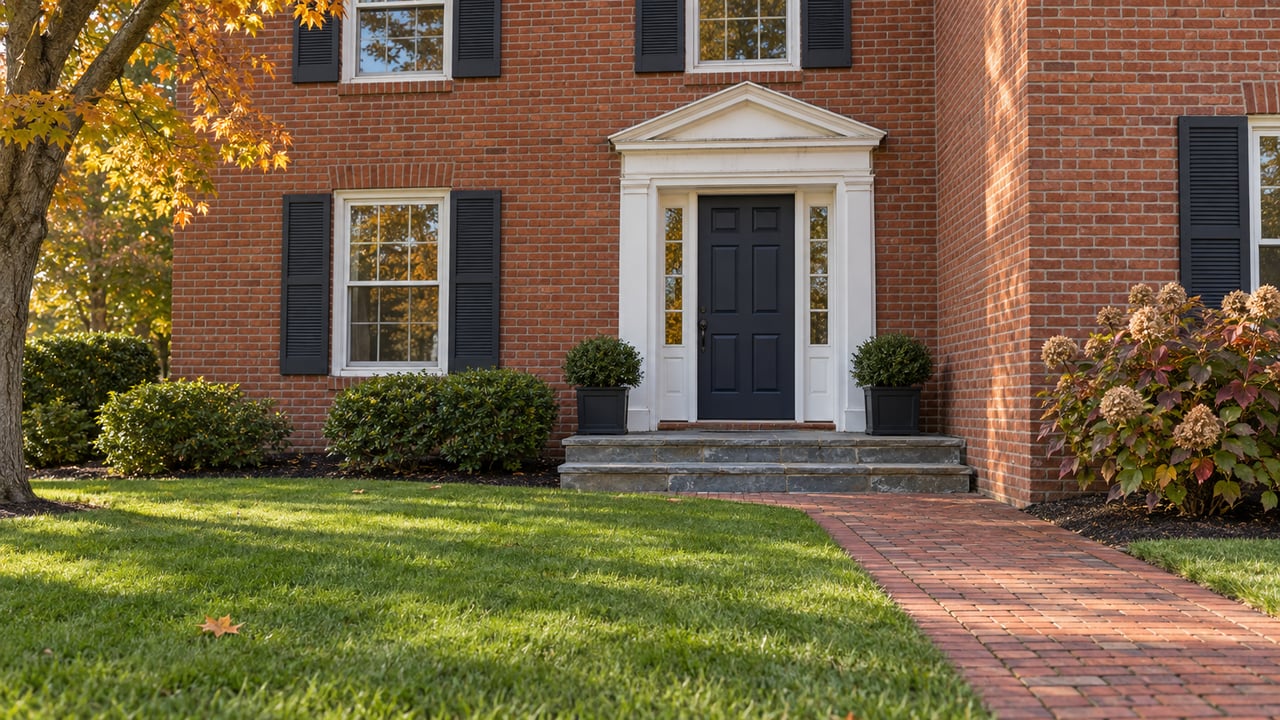
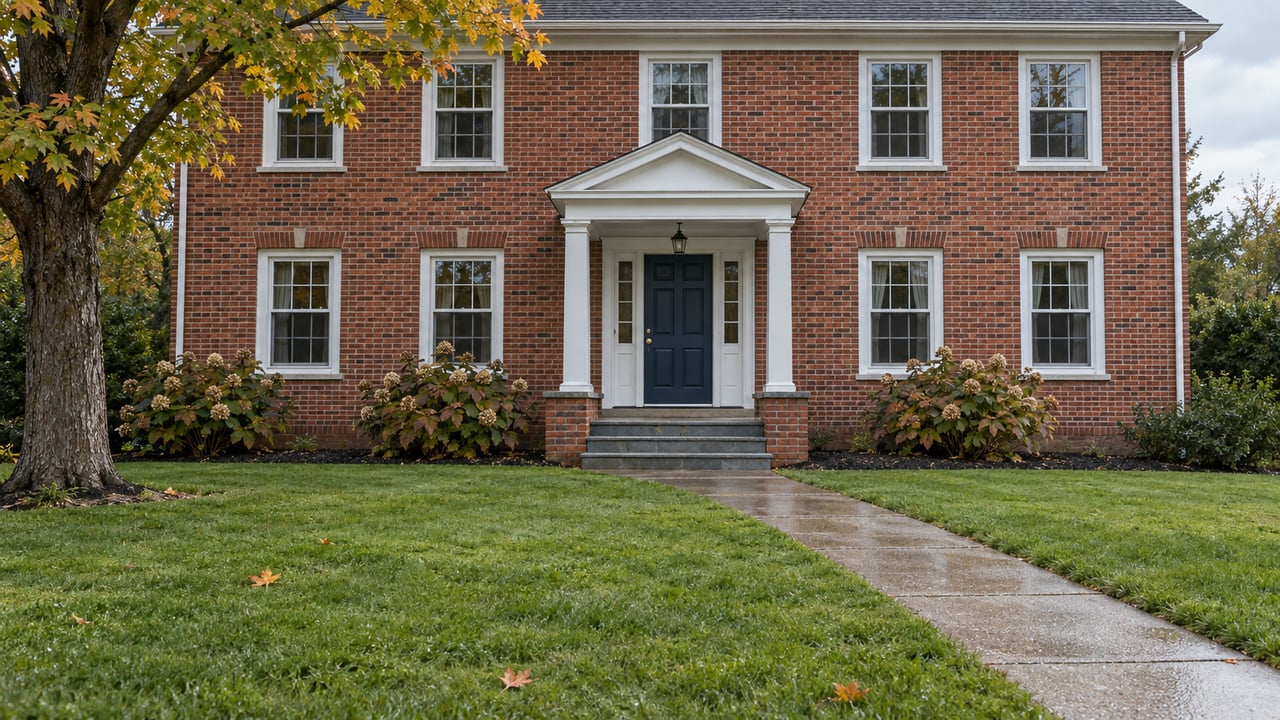
Princeton’s lifestyle is closely tied to its built environment. The municipality’s Office of Historic Preservation says it protects historic buildings, neighborhoods, and streetscapes, while reviewing changes in designated districts for compatibility with their surroundings.
That preservation effort helps explain why the town feels layered and established. It also shapes the visual identity of many in-town areas, where older buildings, mature trees, and mixed uses create a strong sense of place.
A walkable and historic feel
Near the core, Princeton mixes residential and commercial buildings across different eras. The municipality’s Witherspoon Street inventory describes older dwellings dating from the 1850s onward, along with a combination of residential and commercial structures and porches that are well used in the summer.
Princeton University also describes tree-lined neighborhoods and a downtown that surrounds the campus. Together, these details help explain why Princeton feels walkable and historic rather than highway-first or subdivision-driven.
Who Princeton often appeals to
Princeton may be a strong fit if you want a town where parks, errands, dining, and events sit close to home. It can also appeal if you are comfortable with a mixed-use center and a more active in-town environment.
Based on the research, Princeton is best understood as a walkable, culture-rich town with strong outdoor access and historic housing stock. It is not defined by large subdivisions or auto-oriented planning. If your ideal routine includes both convenience and character, Princeton deserves a closer look.
Whether you are planning a move, comparing Mercer County communities, or thinking about what kind of daily lifestyle fits you best, local guidance can make the search much clearer. If you want help exploring homes, neighborhoods, or rental opportunities in central New Jersey, connect with Rebecca Matyash.
FAQs
What is everyday life like in Princeton, NJ?
- Princeton offers a compact, walkable feel with dining, shopping, parks, cultural venues, and transit connections woven into daily life.
What dining options are available in Princeton?
- Princeton has a wide dining mix that includes casual spots, gourmet ice cream, sandwich shops, noodle houses, farm-to-table restaurants, and cuisines across several traditions.
What parks and trails can you use in Princeton?
- Princeton includes open space such as Herrontown Woods, Institute Woods, Marquand Park, Community Park North, Billy Johnson Mountain Lakes Preserve, and access to the D&R Canal State Park towpath.
What cultural attractions are in Princeton?
- Princeton includes Morven Museum & Garden, the Princeton University Art Museum, McCarter Theatre, the Arts Council of Princeton, and programming at Princeton Public Library.
How do you get around Princeton without driving everywhere?
- Princeton offers the free Princeton Loop bus, free public access to Tiger Transit, and the Dinky shuttle connection to Princeton Junction for NJ TRANSIT service.
What kind of homebuyer may like Princeton most?
- Princeton may appeal to buyers who want a walkable town with historic character, everyday conveniences, strong outdoor access, and a steady calendar of cultural and community events.