In late 2024, a buildable lot on Birch Avenue in Princeton's Witherspoon-Jackson neighborhood sat unsold for months. That should not have happened. Princeton was starved for inventory, buyers were competing for entry-level homes across town, and here was a rare thing: an empty parcel where someone could build new construction in a market where almost nothing new gets built. Princeton realtor Josh Wilton flagged the mismatch on his podcast, The Wilton Report, noting that the lot sat next to a home inside the Witherspoon-Jackson Historic District, and that buyers who might otherwise have wanted it were wary of the approval process that comes with building there, according to coverage of the episode by Walkable Princeton. Wilton's data also showed no new homes had sold in Witherspoon-Jackson since 2020, even as other pockets of town saw new construction move.
That is not a one-off story. It is a symptom of something buyers rarely account for when they pull up a Princeton listing: a meaningful share of the town's older homes sit inside one of 21 locally designated historic districts, each with its own review requirements, while newer sections of Princeton behave like a fairly conventional suburban market. If you are comparing Princeton to Montgomery or West Windsor based on a median price you saw online, you are comparing two differently regulated markets stitched into one zip code.
The Number Everyone Quotes Keeps Changing
Pull up four different sources for Princeton's median home price and you will get four different answers, and the gap is not small. Redfin's snapshot for March 2026 put the median sale price at $1.1 million, down 20 percent from a year earlier, with homes selling in 42 days and only 9 total sales that month. Houzeo's February 2026 data showed a $1.389 million median with homes taking 104 days to sell and 5.6 months of supply. Movoto's April 2026 figures showed a $929,000 median with 35 days on market. Zillow's late February 2026 estimate put the average home value at $943,925, up 2.9 percent year over year, with homes going pending in about 28 days.
None of these sources is wrong. They are measuring a market so thin that a handful of closings can swing the headline number by hundreds of thousands of dollars. When Redfin counts only 9 sales for the entire month, one large Western Section colonial closing and one modest condo closing will produce wildly different medians depending on which happens to close first. Princeton's inventory is also structurally split between older homes inside review-heavy historic districts and newer or renovated homes outside them, so the mix of what actually sold in a given month matters more than in a typical town where the housing stock is more uniform. The honest read is not "Princeton costs X." It is that your specific address, and whether it sits inside one of those 21 districts, tells you more than any citywide figure will.
Twenty-One Small Markets Inside One Town
Princeton's local ordinance divides its designated historic districts into two tiers. Type 1 districts, which carry the strictest review, include Maybury Hill, the Kingston Mill Historic District, Tusculum, the Princeton Battlefield-Stony Brook Settlement Historic District, Drumthwacket, and the Delaware and Raritan Canal Historic District, according to the municipal ordinance on file with the town. Type 2 districts, which have somewhat different visibility parameters but still require review, include Jugtown, Bank Street, Mercer Hill, the Central Historic District, Witherspoon-Jackson, and the Prospect Avenue District.
It is worth separating this from Princeton's other, larger historic designation. The federal Princeton Historic District, listed on the National Register of Historic Places in 1975, covers a 370-acre swath stretching from Marquand Park to the Eating Clubs and includes seven of Princeton's nine National Historic Landmarks, according to background on the district. That federal recognition is largely honorary. It does not, by itself, require a homeowner to get approval before replacing a window. The 21 locally designated districts are the ones that actually govern what you can do to a house, and a property can sit inside the National Register boundary without being subject to local review at all. Confusing the two is an easy and expensive mistake.
What Historic Preservation Commission Review Actually Requires
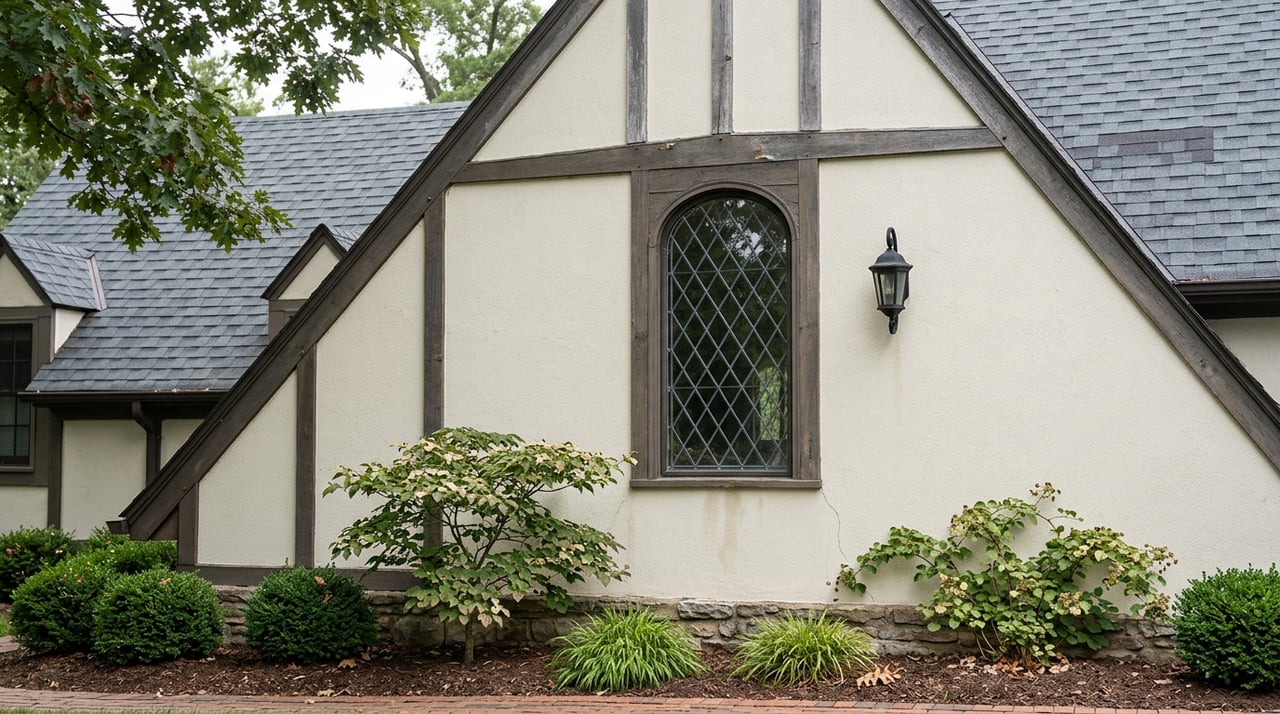
If your future home sits inside one of the 21 local districts, exterior changes go through Princeton's Historic Preservation Commission before they go through a contractor. The process starts with a preservation plan application, a $75 filing fee, and a 45-day completeness review, according to the town's own FAQ on the process. For new construction, the ordinance lists specific visual compatibility criteria the design has to meet, including the relationship between window width and height, the ratio of solid wall to window openings on the front facade, and how far the structure sits from neighboring buildings.
Demolition is not exempt. Princeton's ordinance requires HPC approval at a public meeting before a structure or even an outbuilding can come down inside a historic district, a rule that grew out of concern that "meaningful landmarks were disappearing," in the words of HPC chair Julie Capozzoli, an architect and Evergreen Circle resident, as reported by Princeton Echo. The same article recounts a property owner in the Drumthwacket district who demolished an outbuilding without getting approval first and was taken to court and ordered to rebuild it. That is the kind of friction that never shows up in a listing description, and it is exactly the kind of friction a buyer needs to know about before falling in love with a fixer-upper.
The Renovation Math Changes Inside a District
Cost estimates for Princeton renovation work put kitchen remodels anywhere from $35,000 for a basic refresh to $150,000 or more for a premium custom job, with the most common mid-range project landing between $55,000 and $80,000. Princeton kitchens run 15 to 30 percent above the broader Mercer County average because of higher material expectations in this price band, according to a local renovation contractor's cost breakdown. That same source notes kitchen remodels tend to deliver 70 to 85 percent of their cost back at resale in Princeton, and that historic restoration work specifically tends to preserve or increase value inside the districts where character carries a real premium.
The catch is timeline, not just money. Any exterior work on a historic-district home, from replacing a window to reconfiguring a porch, has to clear HPC review before a contractor can start. A remodel that would take four weeks in a non-historic section of town can take considerably longer once a preservation plan has to be filed, reviewed, and approved. Buyers planning to renovate should budget for both the higher per-square-foot cost and the added weeks a district review adds to the calendar.
The Other Local Friction: Tanks Nobody Remembers
Princeton's older housing stock carries a second, less visible cost that has nothing to do with historic designation and everything to do with age. Many homes built before natural gas heating became standard were originally heated with oil, and when systems converted, the underground storage tanks were sometimes abandoned rather than removed, according to HouseMaster's overview of underground storage tank risk in the area. Property owners are typically responsible for the cleanup even if the tank was unknown at the time of purchase. Disclosure of a known tank is required in a New Jersey real estate transaction, and failing to comply can carry fines exceeding $10,000 in some cases, according to a 2026 guide on New Jersey oil tank removal requirements.
This is why a tank sweep, a non-invasive scan that uses a magnetometer to walk the property in a zig-zag pattern looking for buried metal, has become standard practice for buyers of older homes, and why most mortgage lenders want one completed before closing, according to a description of the tank sweep process. It is not a historic-district issue specifically, but because the districts skew toward the oldest homes in town, buyers looking there are more likely to run into it than buyers looking at newer construction elsewhere in Princeton.
What This Means If You're Actually Looking at Houses Here
Before you get attached to a listing, find out whether the address sits inside one of Princeton's 21 local historic districts, not just the larger federal designation, since only the local one triggers HPC review. If you plan to renovate or add on, build the district's review timeline and Princeton's above-county renovation costs into your budget from the start, not after you are under contract. If the home is older, ask directly about heating history and whether a tank sweep has been done, since that conversation can save real money later. And treat any single median price you see quoted for Princeton with real skepticism. With sales counts running in the single digits some months and a housing stock split between heavily regulated districts and everything else, the citywide number tells you far less than the specific street.
Frequently Asked Questions
Does a National Register listing restrict what I can do to my house? Not by itself. The 370-acre federal Princeton Historic District recognized in 1975 is an honorary designation. Only Princeton's 21 locally designated historic districts trigger mandatory Historic Preservation Commission review for exterior work.
How do I find out if a specific house is inside one of the local districts? Princeton's Office of Historic Preservation maintains the designated boundaries, and the zoning department or a title search can confirm whether a given parcel falls inside one before you write an offer.
Do all older Princeton homes have oil tank issues? Not all of them, but homes that converted from oil to gas heat are more likely to have an abandoned underground tank, and that risk is concentrated in the same older housing stock that makes up much of Princeton's historic districts.
If you are weighing a historic-district property against something newer in Princeton or a neighboring town, it helps to talk through the specific district, the renovation math, and what a title search will actually show before you make an offer. Jersey Living Homes works these details daily across Princeton and the surrounding towns. Schedule a Free Consultation and we will walk through exactly what a specific address will and will not let you do.