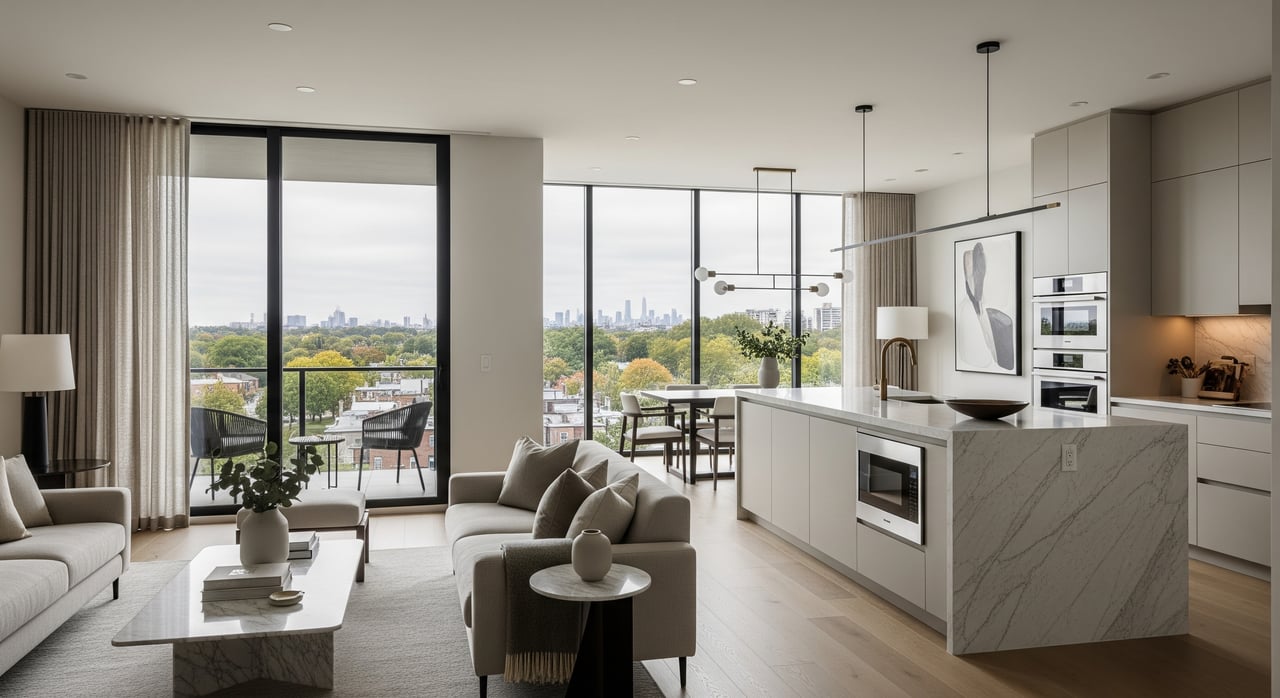
Thinking about buying a condo in Edison as a rental? You are not alone. With strong commuter access and steady demand for 1–2 bedroom units, Edison can offer reliable occupancy if you buy in the right building and run your numbers carefully. In this guide, you will learn how HOA fees and rules impact cash flow, how to underwrite returns, and what to check in condo documents before you commit. Let’s dive in.
Why Edison condos appeal to investors
Commuter convenience fuels demand
Edison sits near the NJ Transit Northeast Corridor with the Metropark station close by, plus Route 1 and the NJ Turnpike for fast highway access. That connectivity to New York City, Jersey City, Newark, and regional employers in New Brunswick supports steady renter interest. Professionals who value quick, predictable commutes often target Edison and nearby Iselin for quality 1–2 bedroom rentals.
Who rents Edison condos
Households tied to corporate offices and universities along the Route 1 corridor create consistent demand. Listings through 2023–2024 show strong interest in smaller units, especially near major transit nodes. If you focus on floor plans that fit professionals and downsizers, you will broaden your renter pool and limit vacancy.
Features that command rent premiums
Units with in‑unit laundry, updated kitchens, and assigned parking tend to lease faster and achieve higher effective rents than older garden units without parking. Walkable or easy-shuttle access to transit typically adds a premium and reduces days on market.
HOA fees in Edison condos
What your fees usually cover
Monthly common charges typically include the building’s master insurance policy, common-area maintenance, landscaping, exterior care, snow removal, trash, and routine contributions to reserves. In some associations, portions of utilities for common areas are covered as well.
Typical ranges and drivers
In Edison-area listing samples from 2023–2024, fees vary by building type and amenities. Many garden or townhouse-style communities show fees in the low hundreds per month. Properties with elevators or more services trend higher. Always verify the exact fee for the specific unit you are considering and review the association’s current budget to see what is included.
Budget line items that impact cash flow
- Reserves: Healthy contributions reduce the chance of special assessments. Ask for the latest reserve study or reserve balances.
- Insurance: Understand what the master policy covers and the deductible. A higher deductible can shift risk to owners.
- Staffing and contracts: Elevators, onsite staff, and third-party management can push fees higher.
- Utilities and seasonal services: Snow removal, landscaping, and shared utilities add up and differ by association.
Rental rules you must verify
Common rental provisions
Most associations establish rental rules that affect underwriting. You will often see minimum lease terms, tenant application and screening requirements, and sometimes a cap on the percentage of units that can be rented. Some associations also require a waiting period after purchase before leasing is permitted. Short-term or vacation-style rentals are frequently restricted or prohibited. Review the bylaws, rules and regulations, and any leasing addenda to confirm what is allowed.
Why rules matter for your numbers
Rental caps and approval timelines can limit the number of eligible renters and slow lease-up. A long approval process increases vacancy. Restrictions can also impact financing and resale since many lenders and buyers prefer projects with transparent rules and stable owner-occupancy levels.
Modeling returns the right way
Core inputs for your pro forma
Start with realistic assumptions and comps for the same building class and floor plan. Then model:
- Gross scheduled rent
- Vacancy and collection loss
- Effective gross income, including any parking or storage income
- Operating expenses: property taxes, your HO‑6 policy, HOA dues, any utilities you pay, maintenance and turnover, property management, legal and accounting, and a reserve for capital expenditures
- Net Operating Income (NOI) before debt service
- Debt service and cash-on-cash return if you plan to finance
Sensible starting assumptions
- Vacancy: 5 to 10 percent depending on building location and rules
- Capital reserves: 3 to 6 percent of gross rent for ongoing projects and unit-level updates
- Turnover allowance: budget for make-ready costs per turnover, higher if updating older finishes
- Property management: 6 to 10 percent of collected rent for small portfolios
- HOA dues: use the exact figure from the association budget and consider any recent increases
Cap rate and cash-on-cash
Use both metrics. Your cap rate is NOI divided by purchase price. Cash-on-cash measures the cash yield on your equity after debt service. Model a base case and a stress case with a longer vacancy or a one-time capital outlay so you know your breakeven.
Financing investor condos
Project-level reviews by lenders
Condo loans involve a project review alongside your personal underwriting. Conventional lenders and government-backed programs look at the association’s financial health, reserve contributions, insurance, and any litigation. FHA and VA loans require project approval, while Fannie Mae and Freddie Mac have their own review standards and investor concentration considerations.
Down payments and rates
For investment purchases, many lenders require higher down payments. Expect 15 to 25 percent down for investor condos depending on the lender and the project’s status. Rates may also be higher than for primary residences. This can shift your return profile, so run scenarios at different rates and down payments.
Documentation you will be asked to provide
Be ready with the bylaws and master deed, current budget and recent financials, reserve study if available, master insurance certificate, and any minutes that disclose assessments or litigation. Some lenders also request a certificate of insurance and written confirmation regarding rental policies and delinquencies.
Edison due diligence checklist
Essential documents to obtain
- Current year budget and the last 2 to 3 years of financial statements
- Reserve study and current reserve balances
- Master insurance declarations, including deductibles
- Bylaws, declaration, and rules with rental sections flagged
- Board meeting minutes for the last 12 to 24 months
- Disclosures on pending or threatened litigation
- Any open permits or municipal violations, plus certificate of occupancy requirements
- Recent resale disclosure packages for comparable units
Operational red flags
- Low or no reserves and no recent reserve study
- Frequent or large special assessments
- High delinquency rates on HOA dues among owners
- Pending major capital projects without full funding
- Ongoing litigation that could lead to higher assessments or financing issues
Tenant placement considerations
- Minimum lease term and any owner-occupancy waiting period
- Approval steps, background checks, and fees that lengthen time-to-rent
- Clear rules on parking, storage, and guest policies that influence renter appeal
Local tips for Edison and Middlesex
Transit proximity premium
Units within a short walk or simple shuttle ride to Metropark or other NJ Transit access points usually lease faster and at stronger rents. If two similar units are available, the one with better commute convenience typically wins.
Parking and taxes matter
Assigned parking and reliable guest parking are important in suburban New Jersey. Lack of parking can reduce rent and slow absorption. Always review the unit’s current property tax bill and ask about any pending appeals or reassessments that could change your operating expenses.
Registration and inspections
Many New Jersey municipalities have rental registration or inspection programs. Before you assume rental rights, confirm Edison Township or Middlesex County requirements for rental licensing or inspections and factor those timelines into your lease-up plan.
Putting it together
Edison offers a compelling mix of commuter access and steady renter demand, but the quality of your return hinges on the association’s finances, rules, and your upfront underwriting. Focus on buildings with clear, investor-friendly rental policies, healthy reserves, and stable fees. Verify every assumption with association documents and realistic comps, then stress test your numbers so you are prepared for vacancies or one-time costs.
If you want help narrowing down buildings, reviewing docs, or modeling cash flow, connect with a local partner who does this every day. Schedule a Free Consultation with Rebecca Matyash to discuss your Edison condo strategy and next steps.
FAQs
What do typical Edison condo HOA fees cover?
- Most fees cover master insurance, common-area maintenance, landscaping, exterior care, snow removal, trash, and contributions to reserves, with amounts varying by building and amenity level.
How common are rental restrictions in Edison condo associations?
- Many associations set minimum lease terms, require tenant approvals, and sometimes cap the percentage of rental units, so you should always confirm rules in the bylaws and regulations.
Can I finance a condo if the association has high investor concentration?
- It depends on the lender’s project review; some lenders limit financing when investor concentration is high, reserves are inadequate, or litigation is pending.
What vacancy rate should I assume when underwriting in Edison?
- A conservative assumption is 5 to 10 percent depending on the building’s location, transit access, and any rules that could slow lease-up.
Which documents should I request before making an offer?
- Ask for the current budget, recent financials, reserve study, insurance certificate, bylaws and rules, board minutes for 12 to 24 months, litigation disclosures, and any municipal inspection requirements.
Are short-term rentals allowed in Edison condos?
- Many associations restrict or prohibit short-term rentals, so check the rules and regulations for any minimum lease terms and explicit short-stay prohibitions before you buy.